Finance summary
The Book on Managing Rental Properties Summary: Key Ideas and Takeaways
Read a practical summary of The Book on Managing Rental Properties by Brandon Turner and Heather Turner, including key takeaways, lessons, and useful ideas.
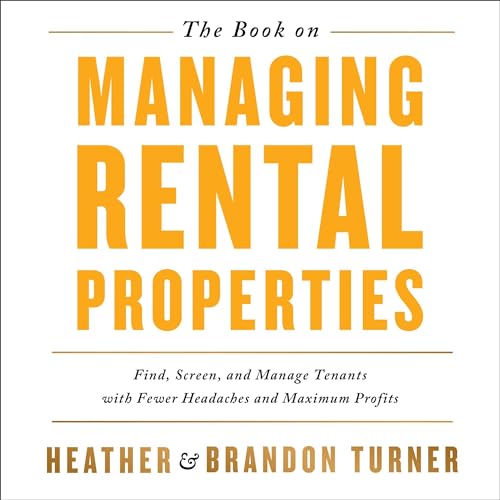
Author: Brandon Turner and Heather Turner
Category: Finance
Published: 2015
Pages: 366
Key Takeaways
- **Systems Over Talent**: Property management is a learnable skill based on repeatable processes (checklists, templates), not innate ability.
- **Tenant Screening**: The single most critical activity. Criteria: 3x rent income, no evictions, background check. Great tenants prevent 90% of problems.
- **Treat it as a Business**: Separate bank accounts, professional entity structure (LLC), insurance, and accounting from Day 1.
- **Rent Collection**: zero tolerance for late rent. Enforce late fees every time to train tenants and avoid discrimination claims. Automated payments preferred.
- **Preventive Maintenance**: Cheaper than emergency repairs. Perform annual inspections, service HVAC, clean gutters, and plan for CapEx.
- **Lease Agreements**: Use state-specific, attorney-reviewed leases. Verbal agreements are worthless. Document everything.
- **Security Deposit Strictness**: Follow local laws precisely regarding holding funds and itemizing deductions within deadlines to avoid costly penalties.
- **Legal Compliance**: Understand Fair Housing laws and eviction procedures. Never use self-help eviction tactics.
- **The Move-In/Move-Out**: Detailed documentation with photos signed by tenants is your primary protection against damage disputes.
- **Scaling**: You cannot scale chaos. Build systems and documentation first, then grow the portfolio.
About This Summary
The Book on Managing Rental Properties: A Comprehensive Summary
Introduction: Why This Book Matters
"The Book on Managing Rental Properties" by Brandon and Heather Turner dives deep into the operational trenches of rental property management. Unlike books focusing on acquisition, this work covers the day-to-day systems, processes, and decisions that determine whether your investment generates wealth or headaches.
Core Philosophy: Property management is a learnable skill built on systems, not an art requiring innate talent. Done well, it creates wealth through cash flow, appreciation, loan paydown, and tax benefits. Poor management destroys wealth just as effectively.
Section One: Laying the Foundation
The Property Management Mindset
Treat property management as a business, not a hobby. Work on your business (creating systems) rather than just in it (fixing toilets). View tenants as customers—providing good service attracts and retains the best renters, reducing turnover costs.
Setting Up Infrastructure
- Banking: Separate business accounts are non-negotiable. Use operating accounts for transactions, reserve accounts for emergencies, and security deposit accounts for compliance.
- Insurance: Standard homeowner policies are inadequate. You need landlord policies covering dwelling, liability, and loss of rent.
- Accounting: Establish simple but complete record-keeping from day one. Categories should align with IRS tax schedules.
Section Two: Finding and Securing Quality Tenants
Tenant Screening: The Most Critical Process
Great tenants prevent 90% of problems. Screening begins before listing by establishing clear criteria:
- Income: 3x monthly rent minimum
- History: Positive rental history, no recent evictions
- Credit: Acceptable scores (context matters)
- Background: Criminal check excluding serious offenses
Fair Housing: Apply criteria equally to all applicants to avoid discrimination claims. Understanding protected classes is a legal obligation.
The Application Process
- Collect comprehensive info: employment, addresses, references
- Verify income (pay stubs, not just words)
- Check criminal background (focus on safety risks)
- Crucial Step: Contact previous landlords (not just current ones who might lie to get rid of them)
The Lease Agreement
Use state-specific templates drafted by attorneys, not generic forms. Key components:
- Rent amount, due date, late fees
- Security deposit terms
- Maintenance responsibilities
- Occupancy limits and pet policies
- Lease Signing: A critical moment to verbally review key terms and set expectations.
Section Three: Move-In and Ongoing Management
The Move-In Process
- Inspection: Detailed written/photo documentation of condition signed by both parties. Protects security deposit legitimacy.
- Keys: Document exactly what is provided.
- Welcome Packet: Include lease copy, emergency contacts, utility info, and rules.
Rent Collection Systems
Consistency is key.
- Payment Methods: Electronic methods (online portals, ACH) are best for tracking. Avoid cash.
- Late Rent: Enforce policies rigidly. Late fee charged every time.
- Process: Day 1 late → Notice sent. Day 5-7 → Call/Serious notice. Day 10-14 → Eviction filing. Consistency prevents discrimination claims.
Maintenance and Repairs
- Tiers: Emergency (safety/habitability - immediate), Urgent (24-48 hours), Routine.
- DIY vs. Contractor: Know your limits. Electrical/structural/HVAC should go to pros.
- Preventive Maintenance: Annual inspections and seasonal service (HVAC filters, gutters) save money long-term.
- CapEx Planning: Set aside monthly reserves for major replacements (roofs, water heaters) based on expected lifespan.
Property Inspections
Conduct systematic inspections (move-in, periodic, move-out) to identify maintenance needs and lease violations. Document everything with checklists and photos.
Section Four: Problem Resolution and Legal Issues
Difficult Situations
- Late Rent: Follow established protocol without emotion.
- Lease Violations: Provide formal written notices with deadlines to cure issues.
- Noise/Neighbor Disputes: Investigate, document, and warn.
Eviction
The last resort. Process generally involves:
- Legal Notice (Pay or Quit)
- Filing Lawsuit (Unlawful Detainer)
- Court Hearing
- Judgment/Writ of Possession
- Sheriff Removal
Key: Never use "self-help" eviction (changing locks, cutting utilities). It's illegal and costly.
Security Deposits
Strictly regulated area.
- Keep funds separate (don't spend them).
- Return within legal timeframe (often 14-30 days).
- Itemize deductions specifically with receipts ("Professional carpet cleaning for pet stain" vs "Cleaning").
- Failure to comply often results in double/triple damages penalties.
Section Five: Financial Management and Scaling
Financial Tracking
- Use software (QuickBooks, Stessa, etc.) over manual methods.
- Categorize expenses accurately for tax preparation.
- Review Profit & Loss, Balance Sheet, and Cash Flow statements quarterly.
Tax Benefits
- Depreciation: Deduct building value over 27.5 years ("phantom loss").
- Expenses: Deduct mortgage interest, taxes, insurance, repairs, travel, etc.
- Cost Segregation: Accelerate depreciation on certain components for immediate tax benefits.
- 1031 Exchange: Defer capital gains taxes when selling by reinvesting in like-kind property.
Growing Your Portfolio
- Readiness: Stable cash flow, 6-month reserves, proven systems.
- Scaling: As you grow, automation and documented processes become critical.
- Professional Management: Consider hiring when portfolio size exceeds your time capacity or desire to self-manage (typically costs 8-10% of rent).
Best Practices & Advanced Topics
Tenant Retention
Turnover costs 2-3 months of rent. Keeping good tenants is the best ROI activity.
- Be responsive to maintenance.
- Treat tenants with respect.
- Use reasonable rent increases (small annual bumps vs. large shocks).
- Start renewal process early.
Risk Management
- LLCs: Provide liability protection (if treated properly).
- Documentation: "If it isn't written down, it didn't happen." Logs protect you in court.
- Safety: Smoke/CO detectors and code compliance are non-negotiable liability shields.
Conclusion: The Path to Mastery
"The Book on Managing Rental Properties" transforms property management from chaos to a systematic business. By implementing these frameworks—screening rigor, professional leases, maintenance systems, and financial tracking—investors can build scalable, profitable portfolios without being consumed by them.
Ultimate Lesson: The question isn't whether you can manage properties, but whether you're willing to implement the systems that make success inevitable.