Self-Help summary
The Let Them Theory Summary: Key Ideas and Takeaways
Read a practical summary of The Let Them Theory by Mel Robbins, including key takeaways, lessons, and useful ideas.
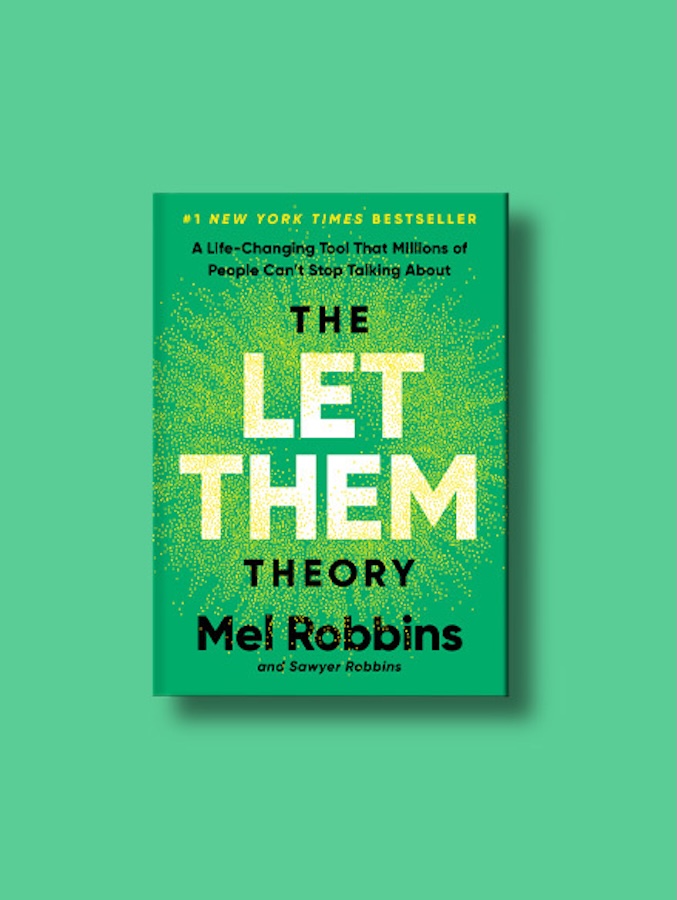
Author: Mel Robbins
Category: Self-Help
Published: 2024
Pages: 336
Key Takeaways
- **Use both halves of the framework:** “Let Them” accepts what another person controls; “Let Me” identifies the response and action that remain yours.
- **Control often disguises itself as care:** Repeated reminders, rescuing, and people-pleasing may be attempts to relieve your own discomfort rather than genuine help.
- **Other people’s feelings are not commands:** Someone can be disappointed or angry while you still maintain a sound decision or boundary.
- **Disapproval is survivable:** Confidence grows when you act according to your values without demanding universal approval.
- **Stress decreases when you stop fighting reality:** Accept the event first, then choose whether any useful response is necessary.
- **Comparison can become instruction:** Let another person succeed, then study what their example reveals about your own desires and next steps.
- **Do not force adult friendship:** Initiate openly, observe reciprocity, and allow relationships to change with timing, proximity, and capacity.
- **Internal motivation produces stronger change:** Use open questions and motivational interviewing instead of repeatedly arguing or pressuring.
- **Support is different from rescue:** Listen, preserve the person’s agency, offer appropriate help, and keep limits around your own resources.
- **Let behavior reveal compatibility:** In love, stop dating someone’s potential and decide based on their repeated actions and values.
- **Boundaries describe your actions:** State what you will do if a limit is crossed instead of trying to dictate another person’s behavior.
- **Acceptance is not approval:** You can acknowledge reality while opposing harm, reporting misconduct, seeking safety, or leaving.
- **Watch patterns rather than isolated moments:** Repeated behavior provides the clearest information about how much trust and access a relationship deserves.
- **Use the theory with judgment:** It is a memorable self-management tool, not a substitute for professional care, safeguarding, or action against abuse and injustice.
About This Summary
The Let Them Theory: Reclaiming Your Energy, Agency, and Relationships
Introduction: A Simple Phrase With a Second Half
Mel Robbins builds The Let Them Theory around a problem that appears in nearly every area of life: people spend enormous amounts of energy trying to manage what other people think, feel, say, and do. They replay conversations, monitor reactions, attempt to prevent disappointment, push loved ones to change, and measure themselves against other people's progress. The effort feels responsible, but it often produces anxiety, resentment, and exhaustion because the desired outcome depends on someone else.
Robbins proposes a memorable interruption: Let Them. Let people have their opinions. Let them make choices you would not make. Let them misunderstand you, react emotionally, decline an invitation, or follow a path you cannot endorse. The phrase does not mean that every behavior is acceptable. It means recognizing reality before deciding how to respond. Other adults possess their own agency, histories, fears, preferences, and priorities. Pretending that you can control them does not create control; it only consumes the attention you could use more effectively.
The idea is incomplete, however, without its second half: Let Me. Once you stop wrestling with another person's behavior, you return responsibility to yourself. Let me decide what this means. Let me communicate clearly, establish a boundary, make a request, leave an unhealthy situation, or redirect my energy toward my own goals. “Let Them” is acceptance; “Let Me” is agency. Used together, they are meant to replace control and reactivity with clarity and deliberate action.
The Origin and the Real Target: The Habit of Control
Robbins introduces the framework through an ordinary family moment. While preparing for her son's prom, she became preoccupied with details that he and his friends were handling imperfectly. Her daughter urged her to let them organize the evening their own way. The plans might be inconvenient and the young people might make mistakes, but those consequences belonged to them. Robbins recognized that her interference was not necessary support; it was an attempt to relieve her own discomfort by controlling their choices.
That distinction becomes the book's central diagnosis. Control frequently disguises itself as care. A person may call repeated reminders “helpful,” describe people-pleasing as kindness, or frame unsolicited advice as concern. Beneath these behaviors is often an unwillingness to tolerate uncertainty, disapproval, or another person's struggle. The controller receives a short burst of relief when people comply, but the pattern creates long-term costs. Others feel managed, the controller feels indispensable and resentful, and no one develops greater independence.
The theory asks a practical question: Is this actually mine to control? Your conduct, preparation, words, boundaries, and effort are yours. Another person's mood, timing, interpretation, attraction, ambition, and decision are not. This division resembles the ancient distinction between what is and is not within one's control, but Robbins translates it into conversational language that can be recalled during a stressful moment.
Why “Let Them” Lowers Everyday Stress
Much daily stress is not caused solely by an event. It is amplified by the demand that the event should be different. Someone drives slowly, sends a curt message, complains during a meeting, or arrives late. The mind treats the behavior as a problem that must immediately be corrected. Attention narrows, the body becomes activated, and an ordinary inconvenience acquires emotional weight.
“Let Them” creates a pause between stimulus and response. Instead of automatically joining another person's urgency or irritation, you name what is happening and allow it to exist. The other driver can drive slowly. The colleague can be annoyed. The relative can repeat the same complaint. This does not erase consequences, but it prevents someone else's state from instantly becoming your state.
“Let Me” then directs attention toward the next useful move. You may leave earlier, clarify a message, shorten the meeting, or limit the conversation. If no action is necessary, you can simply continue with your day. The goal is not emotional numbness; it is conserving energy for choices that can produce a result.
This approach is especially relevant to people who see themselves as the emotional manager of a family or team. They scan the room, attempt to prevent discomfort, and feel responsible for making everyone happy. Robbins argues that adults are allowed to experience disappointment and frustration. Constantly fixing the atmosphere teaches others that you will absorb their discomfort, while teaching you that peace is available only when everyone approves.
Let People Think What They Think
Fear of judgment gives other people extraordinary influence. A person may avoid posting creative work, changing careers, setting a boundary, or wearing something distinctive because someone could criticize the choice. Robbins emphasizes that criticism cannot be completely prevented. Even careful, generous behavior can be interpreted negatively because people judge through their own experiences and expectations.
Trying to control an opinion usually makes it more powerful. You overexplain, defend every detail, or modify yourself before anyone has objected. “Let Them” means allowing people to form an interpretation without making their approval the price of your authenticity. This is not a claim that reputation never matters. Feedback from trusted people, professional standards, and the effects of your actions still deserve attention. The point is to distinguish useful information from an impossible campaign to be universally liked.
“Let Me” asks whether the criticism reveals something you want to improve. If it does, learn from it. If it reflects incompatible values or incomplete information, let it remain someone else's view. Confidence develops not from believing that everyone will approve, but from knowing that you can tolerate disapproval and remain aligned with your values.
When Other Adults Have Emotional Reactions
The book applies the framework to anger, sulking, defensiveness, and what Robbins describes as adult tantrums. Many people abandon a sound decision as soon as another person reacts badly. A parent complains about a holiday plan, a partner becomes quiet after hearing a boundary, or a coworker resists a new process. The reaction creates pressure to retreat, apologize prematurely, or take responsibility for soothing the person.
Robbins advises letting the reaction happen without immediately treating it as proof that your decision was wrong. Feelings are real, but they are not commands. Two people can have valid emotional experiences at the same time: one can be disappointed, and the other can still maintain a boundary. Allowing that coexistence is a mature alternative to arguing someone out of a feeling or surrendering merely to end tension.
The “Let Me” step remains active. You can listen, acknowledge impact, correct a genuine mistake, or restate your position calmly. What you avoid is making a decision solely to eliminate another adult's temporary discomfort. This is where the theory becomes more than detachment: it supports respectful communication without handing over authority for your life.
Accepting Decisions That Feel Wrong
One of the framework's hardest applications is accepting that a right decision may feel terrible. Ending a relationship, declining an obligation, changing direction, or allowing a loved one to face consequences can produce guilt and grief. People often interpret discomfort as evidence that they should reverse course.
Robbins separates emotional pain from incorrect action. A choice can be necessary and still hurt. “Let Them” permits others to disagree with or dislike the choice. “Let Me” permits you to experience sadness while continuing to act according to your values. This prevents short-term emotional relief from overruling long-term well-being.
The book also insists that life is not organized around fairness. Other people may receive opportunities sooner, fail to reciprocate, or escape consequences. Fighting mentally with this fact adds suffering without changing it. Acceptance is not endorsement. It is the point from which effective action becomes possible.
Turning Comparison Into Instruction
Comparison becomes destructive when another person's success is interpreted as evidence of your inadequacy. Social media makes this reaction easy: polished careers, relationships, bodies, and lifestyles appear beside the unedited complexity of your own life. The instinct may be to dismiss the successful person, imitate them blindly, or stop trying.
Robbins reframes envy as information. If an achievement repeatedly captures your attention, it may reveal a desire you have neglected. “Let Them” allows the other person to succeed without turning their success into a verdict on you. “Let Me” asks what their example can teach: What actions did they repeat? What skill did they develop? What first step is available to me?
This shift converts comparison from torture into a teacher. It also restores the missing context. You may admire an outcome without wanting the sacrifices, risks, or daily routine that produced it. Honest observation helps you decide whether you truly want the goal or merely want the status attached to it. Either answer can reduce envy and clarify your direction.
Adult Friendship: Stop Forcing Connection
Robbins devotes substantial attention to adult friendship because it exposes the tension between desire and control. Friendships change as people move, marry, raise children, change jobs, recover from illness, or adopt new priorities. A reduction in contact can feel like rejection even when it reflects timing and capacity rather than a lack of affection.
“Let Them” means allowing friends to reveal how much energy and initiative they currently bring. Let them decline, make other plans, or drift. Chasing, testing, and keeping score cannot manufacture mutuality. Their behavior provides information about the relationship as it exists now, not necessarily a judgment of your worth.
“Let Me” prevents passivity. You can initiate plans, say that you miss someone, ask directly whether anything is wrong, and create opportunities to meet new people. Strong friendship requires repeated proximity, shared experiences, and reciprocal effort. Waiting to be chosen while refusing to reach out is not empowerment. The framework asks you to contribute openly, then observe whether the contribution is returned.
It also normalizes different levels of friendship. Not every friend will become intimate, and not every close relationship will last forever. Releasing a rigid picture of how a friendship “should” look makes room for the relationships that fit the current season of life. An ending can be painful without invalidating what the friendship once provided.
You Cannot Force Another Person to Change
A recurring source of conflict is the belief that the correct argument, reminder, or consequence will make another adult improve. The target may need to exercise, seek therapy, stop drinking, apply for work, or leave an unhealthy relationship. The helper sees the problem clearly and assumes that more pressure will create motivation.
Robbins argues that durable change depends on the other person's readiness. Pressure often triggers defensiveness because people protect their autonomy. Repeating advice can push them into explaining why change is impossible, strengthening the very position you want them to abandon.
The alternative draws on motivational interviewing: listen for the person's own reasons for change instead of delivering yours. Ask open questions, reflect what you hear, and help them examine the distance between their current behavior and their values. This approach does not guarantee change. It improves the chance that motivation will come from within, where it is more likely to last.
“Let Them” accepts the person's present stage. “Let Me” defines your role. You can offer information, model a healthier behavior, state how the situation affects you, or decide what you will no longer participate in. Influence remains possible, but control does not.
Supporting Someone Without Rescuing Them
The theory becomes more delicate when a loved one is genuinely struggling. Stepping back can look uncaring, while constant rescue can create dependence. Robbins distinguishes support from taking ownership of another person's life. Doing every difficult task for someone may reduce today's pain while weakening their confidence and avoiding the underlying issue.
Useful support begins with connection. Listen before fixing. Ask what kind of help the person wants. Offer manageable choices, practical resources, or companionship while they take the next step. Preserve their dignity by treating them as capable, even when they are temporarily overwhelmed.
“Let Me” also protects the helper. You can decide how much money, time, or emotional availability you can give without destabilizing your own life. A boundary is not punishment; it clarifies the form your care can realistically take. In emergencies involving safety, abuse, self-harm, severe impairment, or a child who cannot protect themselves, direct intervention and professional assistance take priority over a slogan about detachment.
Romantic Love: Let Behavior Reveal Compatibility
In dating and partnership, people often become attached to potential. They explain away inconsistency, pursue someone who is unavailable, or try to redesign a partner's personality. Robbins advises letting people show who they are through repeated behavior. Interest, reliability, affection, and commitment should not require constant extraction.
“Let Them” is not a strategy for manipulating someone into chasing you. It is permission to stop arguing with evidence. If someone does not want the same kind of relationship, let that truth become visible. If a long-term partner has a trait that is unlikely to change, stop building happiness around the fantasy that it will disappear.
“Let Me” asks a more demanding question: What will I choose now that I see the person clearly? You may communicate a need, negotiate a workable difference, accept the trait, or leave because the relationship conflicts with your values. Love can include compassion for another person's nature without requiring self-abandonment.
Within a healthy relationship, the framework reduces micromanagement. Partners can maintain separate preferences, friendships, and ways of doing ordinary tasks. Allowing difference creates space for trust. At the same time, acceptance does not remove accountability. Agreements, honesty, shared responsibilities, and respect remain legitimate expectations.
Boundaries Are About Your Behavior
The distinction between a boundary and a demand is essential to the book's logic. A demand attempts to control someone: “You are not allowed to speak that way.” A boundary describes your action: “If the conversation becomes insulting, I will end it and return later.” The first depends on compliance; the second is within your control.
“Let Them” allows the other person to choose. “Let Me” ensures that their choice has clear consequences for your participation. This prevents acceptance from becoming endless tolerance. You do not have to attend every argument, remain in every friendship, or give unlimited access to your time.
Boundaries work only when they are communicated and followed. Repeated threats without action teach others that the limit is negotiable. Calm consistency is more powerful than a dramatic warning. The purpose is not to punish or win; it is to create conditions under which you can remain healthy and respectful.
What the Theory Is—and Is Not
The framework is most useful as a quick mental tool, not as a universal psychological law. Its core resembles established ideas: focus on your locus of control, accept reality, regulate your response, respect autonomy, and use boundaries. Robbins's contribution is packaging those ideas into language that is easy to remember when emotion is high.
That simplicity is also the principal limitation. Complex relationships are shaped by power, money, caregiving duties, culture, disability, and unequal consequences. A parent, manager, teacher, or community member sometimes has a genuine responsibility to intervene. Someone exposed to harassment, discrimination, neglect, or danger should not interpret “Let Them” as an instruction to remain silent. The relevant “Let Me” response may be documenting misconduct, seeking protection, reporting harm, organizing with others, or leaving safely.
The book's scientific language should also be read with proportion. The practical value of accepting limits and choosing a response does not require every broad claim about the brain to be treated as settled research. Readers familiar with Stoicism, acceptance-based therapy, codependency recovery, or locus-of-control research may find the central idea familiar and some applications repetitive. Repetition can reinforce a habit, but it does not make the framework a new scientific theory.
Used carefully, the model encourages responsibility rather than indifference. Misused, “Let Them” can become a polished way to avoid difficult conversations, ignore systemic problems, or withdraw without explaining yourself. The corrective is always the second phrase. “Let Me” asks what courage, empathy, communication, or action the situation requires from you.
A Practical Method for Using the Theory
The book's lessons can be condensed into a five-step practice:
- Notice the control reflex. Identify the moment you begin rehearsing, chasing, fixing, comparing, or managing another adult's emotions.
- Name what belongs to them. Their opinion, mood, decision, pace, and effort are theirs. Silently use “Let Them” to acknowledge that fact.
- Return to your circle of control. Ask what you can choose: your words, attention, standards, request, boundary, preparation, or exit.
- Choose the “Let Me” action. Make the call, state the need, listen, take a first step toward your goal, or decide that no response is necessary.
- Observe the pattern over time. One incident can be ambiguous; repeated behavior is information. Adjust access, expectations, and investment according to the pattern.
This method is effective because it changes the order of response. Acceptance comes before strategy. You stop demanding that reality be different long enough to see it accurately, then act from that clearer position.
Conclusion: Freedom Requires Responsibility
The lasting message of The Let Them Theory is not that other people do not matter. It is that healthier relationships become possible when each person is allowed to possess their own choices and consequences. Trying to control everyone produces fragile peace, hidden resentment, and dependence. Accepting what is outside your control frees attention for the life you can actually shape.
“Let Them” releases the argument with reality. People may disagree, change slowly, choose someone else, misunderstand you, or reveal that a relationship is no longer mutual. “Let Me” turns that acceptance into personal power. You can speak honestly, learn from comparison, support without rescuing, choose reciprocal love, protect your boundaries, and invest in meaningful goals.
The framework's usefulness lies less in novelty than in accessibility. Two short phrases can interrupt an old habit at the exact moment it appears. When applied with judgment, compassion, and attention to safety, they offer a disciplined way to exchange exhausting control for agency: let other people be responsible for their lives, and let yourself become responsible for yours.